Tutor: Michael Flanagan NT, BEd, MA, MALPC (Leadership and Pastoral Care), PhD.
Michael is a former Lead Tutor in History of Education in Hibernia College and Head of Primary School Placement in St. Nicholas Montessori College. He has considerable experience in the creation and delivery of adult education courses in the ALBA (Adult Learning BA) programme in All Hallows College, DCU. He has presented widely at conferences in the area of Media Studies and Popular Culture and has published extensively in this field.
The central aim of this course is for students to develop a critical awareness with regard the role of film, television and art as cultural and historical expressions that reflect and shape society.
The development of cinema in the early 20th century is evaluated and the manner in which this new media outlet challenged the prevailing sexual attitudes of the day considered. We will reflect on how cinema offered a much-needed avenue of escape during the depression and the harder edge that was to become evident in Hollywood from the 1940s onward in the form of the ‘gangster’ film style which evolved into the film noir genre and featured such stars as James Cagney and Edward G. Robinson. This course will place the competing visions of Ireland in the work of painters Sean Keating and Paul Henry within the broader socio/cultural context of the Ireland of the Free State period.
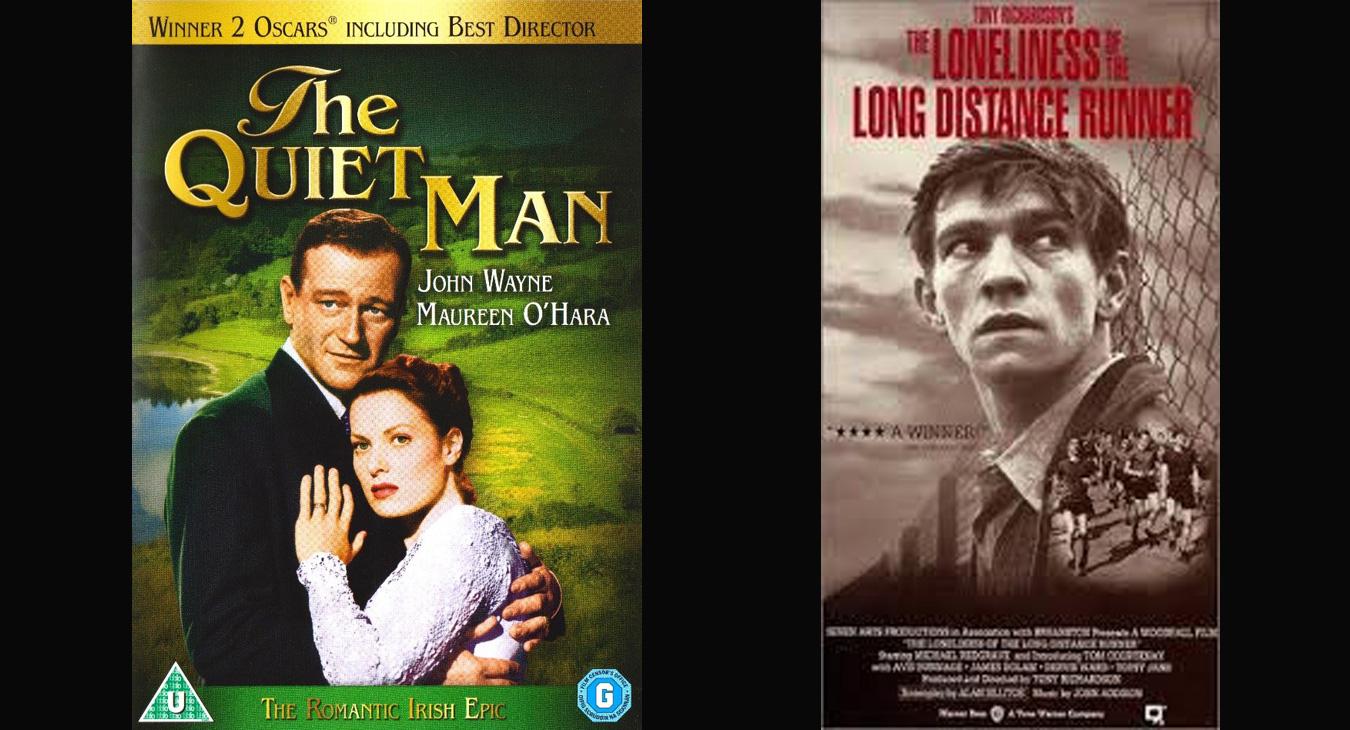
We will reflect on the British New Wave genre of cinema in the 1960s and address the innovative depiction of a realistic, modern North of England urban landscape in such productions as a Taste of Honey (1961) and The Loneliness of a Long-Distance Runner (1962).
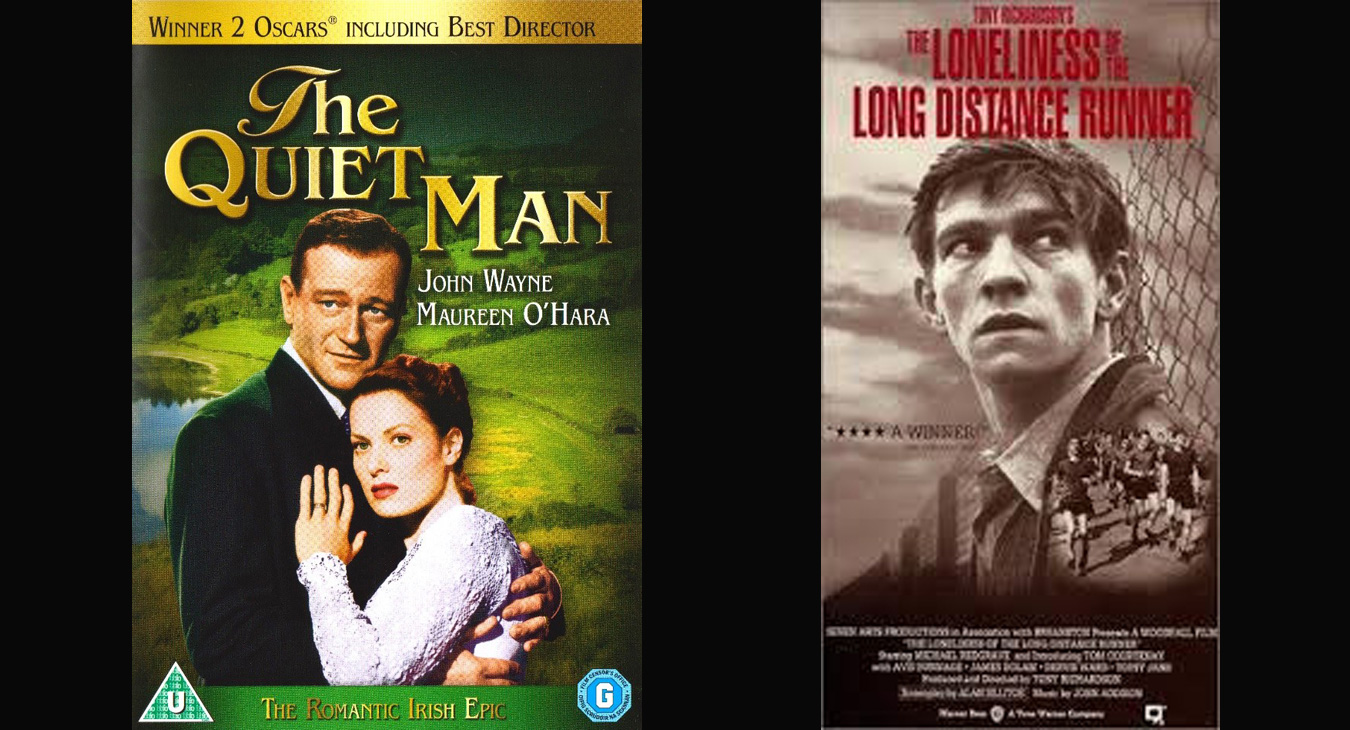
The opposing representations of Ireland by director John Ford in The Informer (1935) and The Quiet Man (1952) will be assessed, his earlier film presenting a tale of corruption and betrayal in a threatening urban landscape, blending Hollywood production values with the dark aesthetic of German Expressionism. In contrast, The Quiet Man reflects Ireland on screen through an idealized, romanticized, and often contested lens, creating a Technicolor "myth" of rural life that differs from the starker 1920s reality. Hollywood’s varied representations of Ireland will be further explored in our analysis of Leo McCarey’s 1944 film Going My Way, a sentimental musical comedy, starring Bing Crosby and Barry Fitzgerald, The Matchmaker, directed by Mark Joffe in 1997 with its perception of Ireland as a romantic wonderland and Paul Quinn’s 1998 returned emigrant narrative, This Is My Father. The golden era of the 1970s which produced filmmakers of the stature of George Lucas and Stephen Spielberg is explored. We will reflect on contrasting genres of British films such as the innuendo laden humour of the ‘Carry On...’ series and the dark, lurid imagery of Hammer Horror. Alternate visions of Ireland as featured in, on the one hand, the rural imagery of The Ballroom of Romance and the grittier, sharper urban representation of Intermission will be investigated and the pivotal influence of television on Irish society with the arrival of RTE in the early 1960s examined.
Tuesday Afternoon: 2.00pm – 4.00pm 12 Weeks Cost: €145
Further details
Registration for this course can be done by:
- Payment through website - PayPal or Debit/Credit Card - Just hit the Buy Now Button
- Calling the office on 01 8735879 and you have the option to pay by card over the phone. (please leave your name, number and the course you are interested in if the lines are busy. We will call you back.
- Posting enrolment form along with cheque/Postal Order or Cash to Congress House, 31/32 Parnell Square, Dublin 1
- Payment can also be made in the office. Office Opens Monday to Wednesday 11am to 3.00pm for Registrations
- PLEASE NOTE: We Do NOT open on FRIDAYS